Where Craft Meets Circularity: Reimagining Handcrafted Design Through Sustainability
by Aalphool Saikia on Jan 28, 2026

How Circular Economy Is Transforming Artisan-Made Products
The future of design is shifting—quietly, thoughtfully, and circularly. As the world reconsiders its relationship with waste, the circular economy is emerging as a powerful alternative to the traditional “make → use → dispose” cycle.
For handcrafted products, this shift is especially meaningful. It connects sustainability with skill, and innovation with tradition. At Ezaar Collective, circularity isn’t just a practice; it’s a philosophy. It’s a belief that beauty doesn’t need new resources—it just needs a new perspective. Through upcycling textile leftovers, empowering artisans, and reimagining what waste can become, Ezaar shows how craftsmanship and circularity can coexist seamlessly.
 What Circular Economy Really Means
Where Waste Becomes the Beginning, Not the End ♻️
The circular economy redefines the lifecycle of a product. Instead of ending in a landfill, materials are kept in use for as long as possible—through repair, repurposing, redesign, and upcycling. For handcrafted goods, it becomes a full-circle journey of intention: from material to product, and product back to material, again and again.
This approach aligns deeply with Ezaar Collective’s ethos: preserve resources, honour craftsmanship, and minimize impact.

How Circularity Elevates Handcrafted Products
Upcycling Turns Discarded Textiles Into Stories 📜
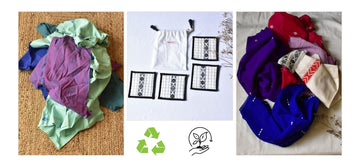
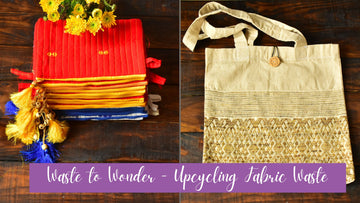
At Ezaar Collective, textiles that might have been thrown away—handloom leftovers, sari scraps, excess fabric—are transformed into meaningful lifestyle pieces.
Every coaster, bag, pouch, and home accessory carries a story of revival. What was once waste becomes a handcrafted object with new purpose, celebrating both sustainability and culture.
Craftsmanship Reduces Waste by Nature ☘️
Handcrafted production is inherently mindful. It avoids industrial waste, allows artisans to work with precision, and values every inch of material. Instead of mass production, each product is made with awareness—slowing down consumption, slowing down waste, and slowing down the world in the best way possible.
At Ezaar, artisans don’t simply “make”—they reimagine.
Circular Design Strengthens Artisan Communities
The circular economy isn’t only environmental—it’s social.
By using leftover fabrics and transforming them into sellable products, circularity creates continuous work for artisans, especially women-led craft groups.
Every upcycled piece supports livelihoods, preserves local craftsmanship, and empowers communities. Ezaar Collective ensures that sustainability uplifts—not just ecosystems, but people.
Timeless Quality Over Trend-Based Consumption
Circular handcrafted goods prioritize durability. They last longer, age better, and carry emotional value. Unlike fast-fashion products designed to be replaced, Ezaar’s creations are meant to be kept, used, and loved for years.
Circularity teaches us that sustainability isn’t just about the material—
It's about making things worth keeping.
Our Role in Closing the Loop
Our choice keeps the circle alive
Joining the circular movement doesn’t require big lifestyle changes. Start with mindful habits:
● Choose upcycled, handcrafted products
● Support local artisan communities
● Repair, repurpose before discarding
● Buy less, buy better
● Embrace slow, meaningful consumption
With every ethical choice, you help keep materials in the loop—and reduce what ends up outside of it.
Circular economy is more than a sustainability concept—it’s a creative rethinking of the world around us. It challenges us to notice value where we once saw waste, to protect traditions while innovating, and to build a future that harmonizes with the planet.
At Ezaar Collective, circularity is woven into every stitch, decision, and design. By blending upcycling with artisan-led craftsmanship, the brand proves that environmental responsibility and aesthetic beauty can exist in the same piece.
Circular craftsmanship is not just the future—it’s the present we must choose.